
Starting Seeds Indoors- where do you start?

Updated: Feb 1

Seed starting advice is everywhere, and it’s easy to get overwhelmed by conflicting methods and timelines.
After years of starting seeds at home, these are the materials I use—and the one I recommend to all new seed starters.
For the detailed guidance on how to start seeds - I highly recommend Orta Gardens advice as well as Homestead and Chill.
And remember, no advice is better than your lived experience, so let's get planting!

I'm trying to move away from plastic seed trays buuuuut if it's your first time starting seeds and you don't want to invest a chunk of change just yet, these trays are a great way to start. (They were $9.99 when I purchased them.)
Made from 75% recycled plastic with refillable coconut coir trays. Love the greenhouse lid that has a vent so it doesn't get too misty. I started my seeds this year in a wide range of trays/pots and the first to germinate (pop up) where in here!

Reusable self-watering pots that are as beautiful as they are functional. I started using these last year and was shocked by how much time I saved by not watering daily. The terracotta wicks moisture from the inside water vessel, so you don't have to water the seedlings overhead. Great for leaving town for the weekend and not worrying about your seedlings!
Pricing can be prohibitive for some - starting at $45 for a small sixie size to $150 for the large 12 pack. If you get on her mailing list (highly recommend, I love her emails), you can be the first to learn about any discounts.
I purchased mine as "Seconds" meaning they were discounted because of a certain flaw, usually cosmetic.
I also have the Microgreen kit (zero waste because she doesn't use plastic and also self-watering) and love it so much. Easy seed starting inside and it's fun for kids too!

New to me this year is soil blocking! I've followed Blossom and Branch Farms journey with soil blocking and love how it is plastic-free, sustainable and can help build stronger seedlings and reduce transplant shock.
Since it's my first season, I'll have to report back but so far I found the blocks were easy and fun to use and it was also pretty easy to get the right soil consistency. So far so good!
Other materials needed:
Seed Starting Mix:
You can make your own seed starting blend (I mix coconut coir and organic potting soil at probably 75/25 for the right consistency.) The goal is having a medium that holds water, encourages air flow, has some nutrients but not too many as the seed contains energy enough for it's first true leaves.
Back to the Roots has a great blend here and you can usually find something similar at your local nursery - but remember, do not use just potting soil as it's not formatted for seed starting.
Here is a great deep dive into potting soil and seed starting mix if you are interested in making your own.
Indoor Seed Lights:
If you have a sunny south facing window, you can grow seeds without lights, but I will say you will get better germinations rates and stronger plants if you use lights.
I've used these LED lights the past two years with no problems. They click on with a simple switch and can connect to each other for a larger setup. I have a pack of three and am thinking of adding more. Because all these seed packets need a home!
Heating Mats:
Unless you keep your home at 75-80 degrees, it's wise in invest in a few heating mats to help encourage quick germination.
I use these and love them for all my seeds, but they are especially helpful for encouraging germination for the most persnickety perennial herbs. $19 for a two pack as of January 2026.
Any spray bottle will do for misting your seedlings before they sprout, but glass is best. But if you already have a little plastic bottle at home, use that!
I'm almost at the point of buying a continuous mister since I do start a lot of seeds in January and February and my hand hurts after all the pumping! Maybe something like this.
Seed Labels:
The first few years I used wooden popsicle sticks, and I would still recommend them as a non-plastic option, but they soak up water and break down, so I've switched to these. Easy to write on with a sharpie and I can use more than one season, so it's not single use plastic.
Seeds! Open Pollinated, non-GMO and organic are always best!My favorite seed companies are:
Hudson Valley Seed (They commission artists for some of the seed pack covers and it's such a beautiful partnership!)
Floret Flower Farm : For the most etherial, pastel perfect zinnias out there.
My seeds!
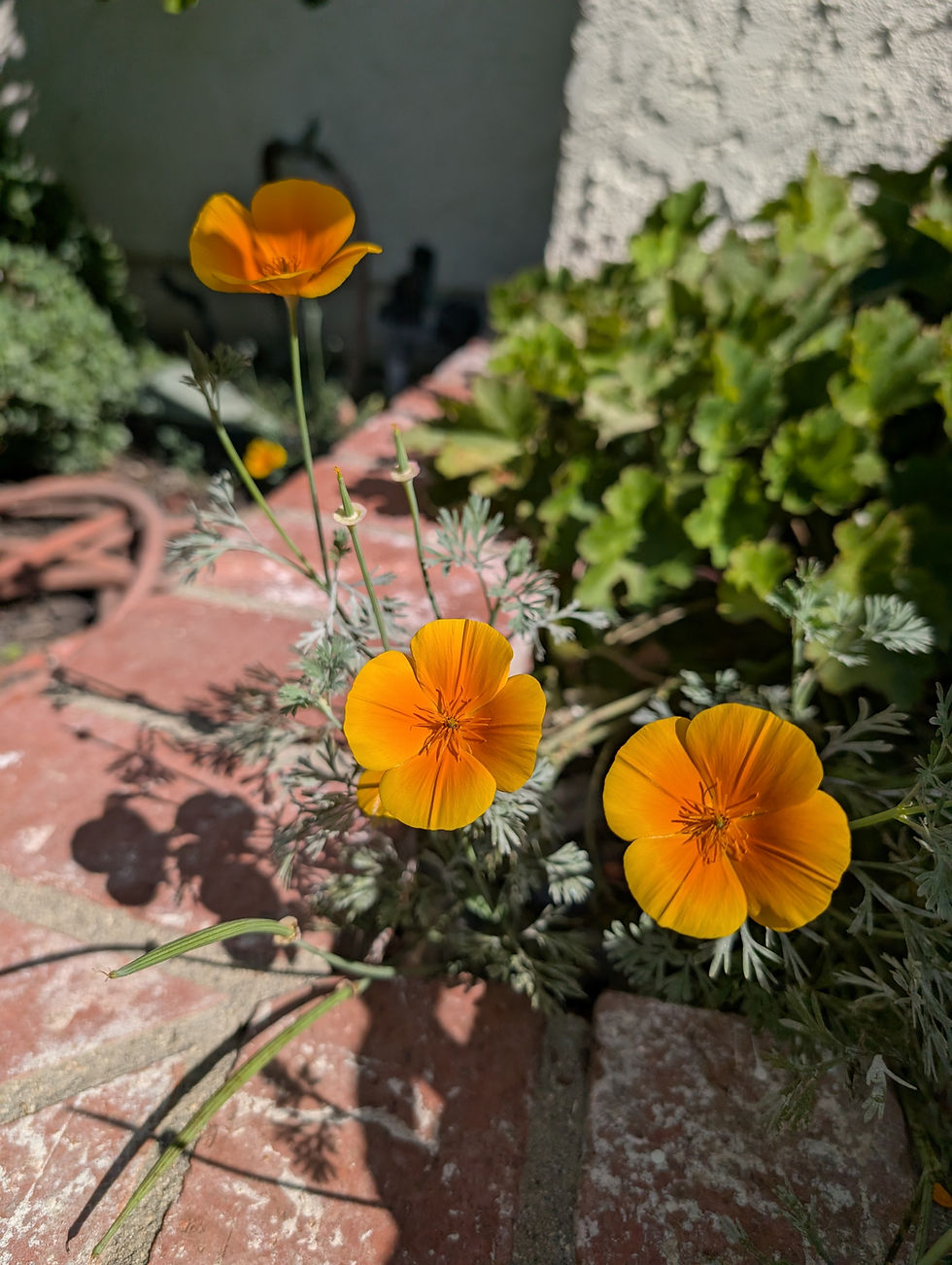
The beauty of having a garden is being able to have things "go to seed" and then save that seed for next years garden and pass to friends too. Just this past year I've saved sweet peas, California poppies, radish, lettuce, bok choy, basil, holy basil, calendula, tickseed, cosmos, zinnias, tomatoes, sunflowers, melons and squashes.

*Remember that if you aren't killing plants, you aren't gardening hard enough, so always plant 2-3 times more seeds than you think you will need, because some won't make it. And if you have a surplus? Pass it along to a friend or neighbor!
I would love to hear about your seed starting journey and if you are starting any seeds this year!
Feel free to following along my seed starting process this year online on Instagram or Tiktok, or for slower paced learning, join my newsletter here!


Comments